

Letícia Benavalli
- @lebenavalli
- | She/Her

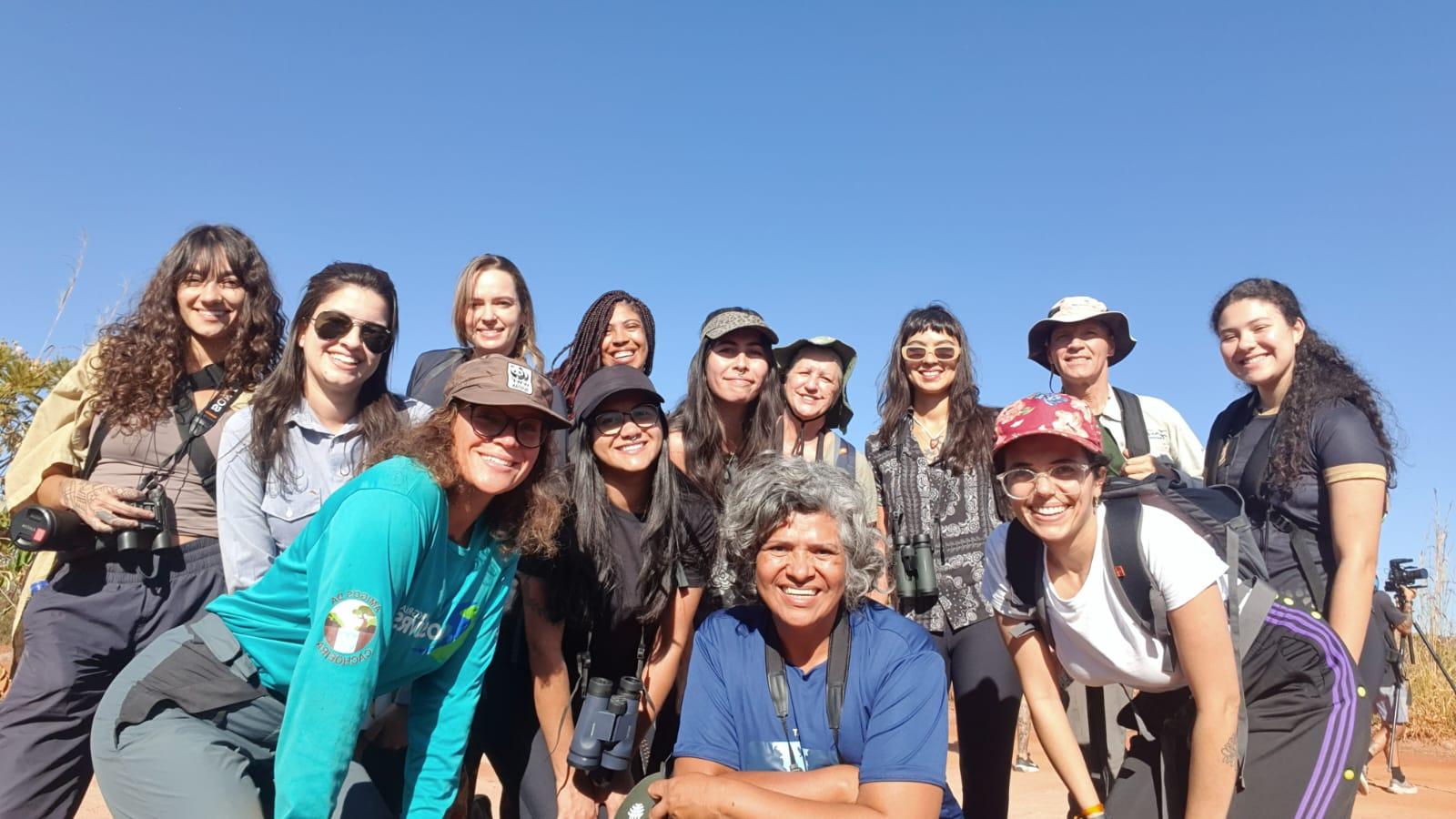
- We are Pró-Onça Institute, a women-led conservation organisation working in the Brazilian Cerrado to protect biodiversity, strengthen ecological connectivity and support local communities as active participants in conservation.
- Thanks to support from the WILDLABS Awards through the Boring Fund, funded by Arm, we were able to deliver a conservation technology training programme designed to make wildlife monitoring tools more accessible to rural communities.
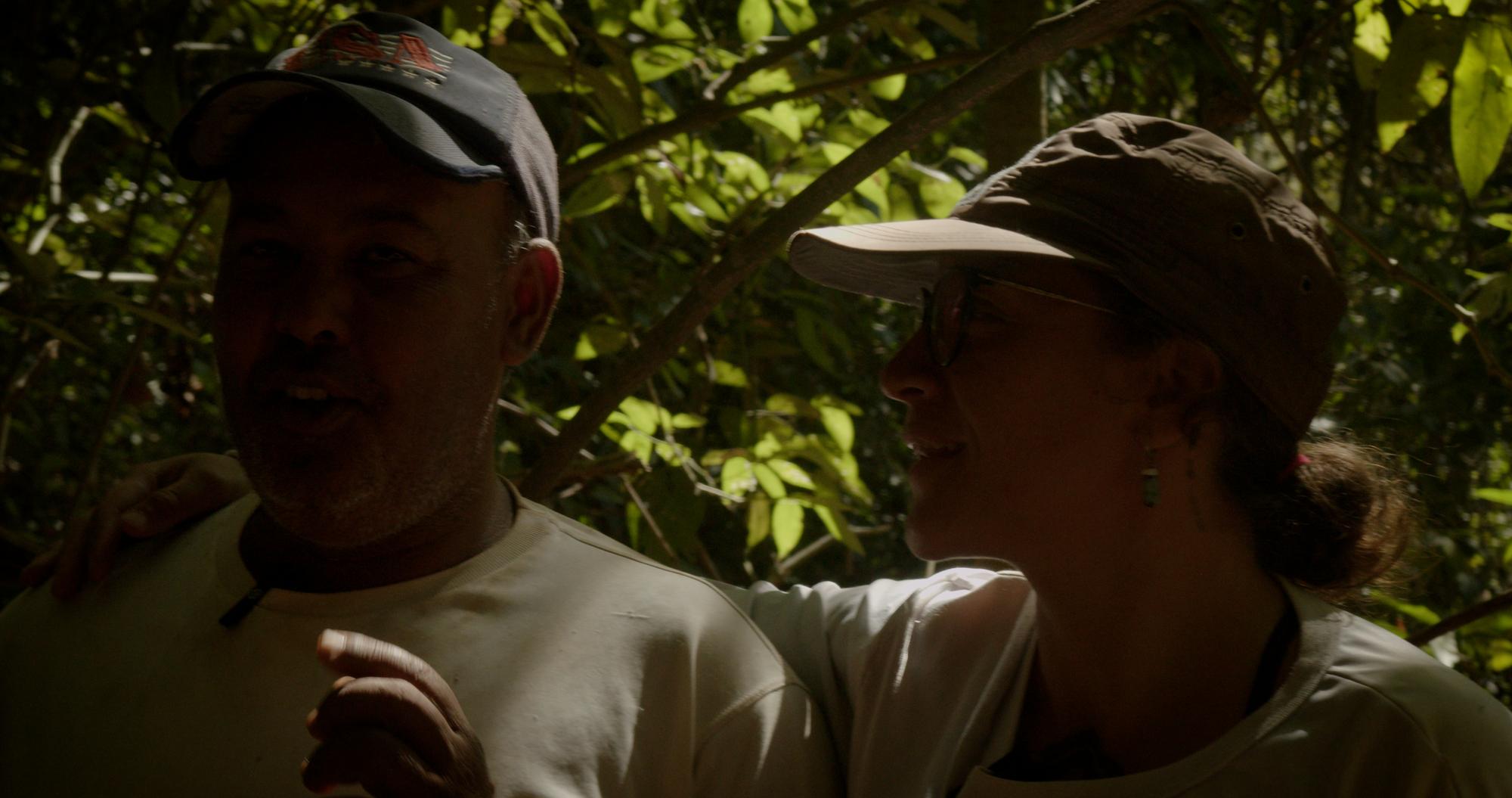
Our motivation was simple: many of the landscapes most important for biodiversity are managed, used, and monitored every day by local people. Yet access to conservation technologies and technical training often remains limited. We wanted to help bridge that gap.
- The training combined practical and classroom-based activities focused on camera traps, GPS navigation, drones, biodiversity monitoring, and spatial analysis using QGIS. Participants learned how to collect field data, organise information, create simple maps, and understand how these tools can support conservation decisions. Participants included rural community members, students, local stakeholders and representatives connected to conservation and protected area management.
- One unexpected lesson emerged early in the process. Before funding was secured, community members expressed strong interest in participating. Once activities were scheduled, attendance became more challenging than anticipated. Work commitments, transportation limitations, and family responsibilities all influenced participation. This reminded us that local realities also shape who can participate and benefit.
What We Learned
One thing became very clear throughout the project: technology itself was rarely the main barrier.
- Many participants had never used a camera trap, drone, or GIS software before. Yet they quickly became comfortable with these tools when they could immediately connect them to real conservation challenges in their own landscapes. Participants showed particularly strong engagement during field activities.
- Camera traps and drones generated excitement because people could immediately see how they could be used to monitor wildlife, understand habitat conditions, and support conservation efforts. QGIS required more practice and support, highlighting the importance of allocating sufficient time for digital skills development when introducing GIS tools to new audiences.
- Perhaps most importantly, we saw conversations shift throughout the programme. Participants moved from asking how a technology worked to discussing how they could apply it within their own territories.
Achievements and Outcomes
- Our project reached 22 participants and provided in-depth training to 15 individuals who completed the full programme. A Portuguese-language training manual was developed and shared with participants and partner organisations to support future learning and replication.
- The project also strengthened collaboration with local institutions, including protected area managers, municipal government representatives, and community organisations. These relationships will help support future biodiversity monitoring and conservation initiatives in the region.
Looking Ahead
The Boring Fund helped us demonstrate that conservation technology can become far more accessible when training is locally relevant and connected to real conservation challenges.
Additional funding secured will allow us to continue biodiversity monitoring efforts while expanding habitat restoration activities in the Cerrado. We are grateful to the WILDLABS Awards and Arm for supporting this work and helping us strengthen local capacity for conservation technology in one of the world's most threatened biodiversity hotspots.
Related content
Article
New technologies offer a lot of potential for conservation, but are there potential risks to deploying these new technologies? In this first thought piece for the Ethics of Conservation Tech Group, Dr Chris Sandbrook...
2 November 2015
Article
From Data Collection to Decisions

TimWilkinson
The speed at which data travels from the point of collection to a format which is understandable and useful for decision makers can be of critical importance. In this case study, Tim Wilkinson discusses a powerful suite...
6 November 2015
Article
Technology for Traceability

Daniel Brizuela and 1 more
Traceability (knowing where products come from and how they are made) is a foundational pre-cursor for many sustainability interventions. While many tools have been developed to offer high-level insight about the...
26 November 2015
Article
When Victoria Espinel, President and CEO of BSA | The Software Alliance, spoke at the WWF Fuller Symposium, she took us on a whistle-stop tour of case studies where software and data are transforming our understanding...
10 March 2016
Article
Bringing Conservation Technology to Life

Shah Selbe
We are living in the midst of a pretty exciting era. Never before has humanity been more educated, more connected, more enabled, or more empowered than we are today. There are many reasons to be optimistic about the...
17 February 2016
Add the first post in this thread.