


Henry Rees
- @HRees
- | Him/His
WILDLABS
Fauna & Flora





I recently attended the Nature Tech Unconference 2026 at the London School of Economics, co-hosted by the Nature Tech Collective and LSE Generate, and it was one of the most genuinely collaborative events I’ve attended this year.
The unconference brought together researchers, NGOs, corporates, investors, policymakers, start-ups, and technologists from around the world to discuss the future of nature tech, a space sitting at the intersection of biodiversity, climate, conservation, finance, data, and emerging technology. It also overlaps closely with the conservation technology sector, which is why it was especially relevant to the WILDLABS community and why so many attendees had also been at the International Conference for Conservation Technology (ICTC) in Peru earlier this year.
One of the things I appreciated most was how accessible the event felt. Because it was free to attend, there was a much healthier balance between the private sector and NGOs, researchers, students, and smaller organisations that are often priced out of sustainability and technology conferences. As someone representing the charity and conservation space, I felt able to fully engage in the discussions, and that diversity of perspectives improved the quality of conversations had. The event reflected just how broad the nature tech ecosystem has become. Sessions covered everything from biodiversity monitoring and ecosystem restoration to AI, finance, policy, and market infrastructure.
One of the first sessions I attended was "Nature Tech Beyond Dashboards: Turning Monitoring Data into Conservation Action". So many environmental technology conversations stop at data collection and visualisation, so it was refreshing to focus instead on what meaningful action actually looks like once that data exists. What I found particularly interesting was hearing from people in the private sector about the gap between having environmental data available and being able to integrate it into operational and strategic decision-making. A recurring theme was that data alone rarely drives change, it needs to be translated into something that aligns with business priorities, risk management, regulation, and investment decisions.
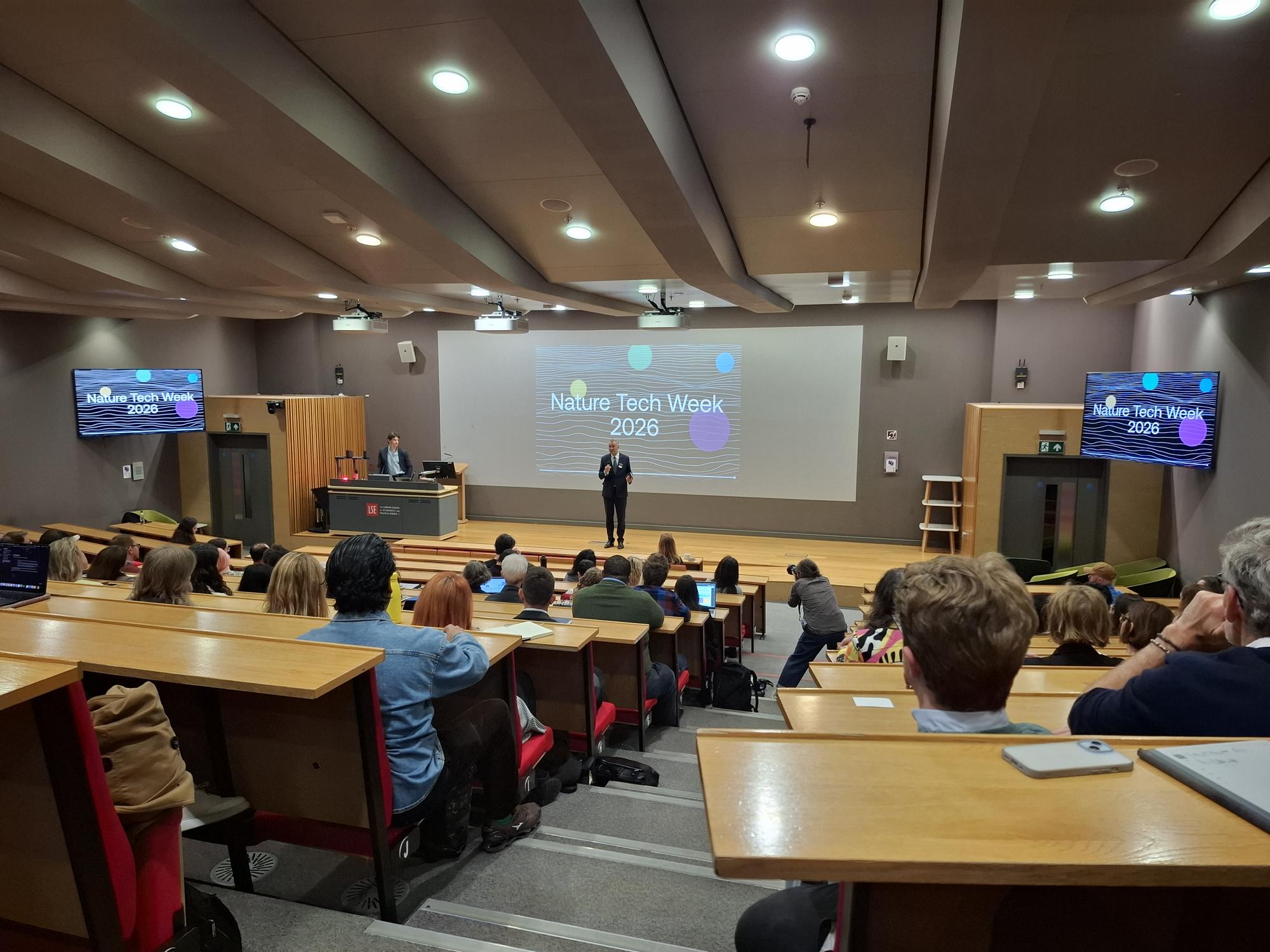
I also attended a session titled "Corporate Needs for Nature Tech: Which Areas Are Well Served? Where Are the Gaps and Barriers?", which became one of the most insightful discussions of the event. Again, it was great to see overlap with people attending ICTC as well, highlighting how interconnected these conversations are becoming across the parallel conservation technology space.
A recurring theme throughout the discussion was that many corporations are still struggling with compliance, enforcement, and internal buy-in around nature-related action. Even where sustainability teams are motivated, there can still be major challenges convincing senior leadership to prioritise long-term investment in biodiversity and ecosystem issues. Another key issue was the lack of alignment around metrics. While everyone talks about measurement, there is still significant disagreement about which indicators matter most, how they should be standardised, and how organisations can avoid creating fragmented systems that are difficult to compare.
What made the unconference particularly refreshing was the absence of overly polished corporate messaging. The format encouraged genuine discussion rather than passive listening. People openly challenged ideas, shared frustrations, compared approaches, and discussed the practical barriers they face in the field. That level of honesty created a more productive environment than many traditional sustainability conferences, which is reflected in the number of working groups that emerged from last year’s event.
I left the event feeling optimistic. It was encouraging to see people from NGOs, academia, start-ups, corporates, and finance engaging seriously with nature-related challenges and trying to build something collectively rather than competitively. The diversity of people in the room, both geographically and professionally, gave the discussions a level of realism and depth that is often missing elsewhere.
More than anything, the unconference reinforced that some of the best events are the ones shaped by the community itself. The energy came from participation, not presentation, and I hope I can join again in the future.
If you also attended the unconference, I would be really interested to hear your thoughts and takeaways, feel free to comment or message me!